How-To
How to Increase Your Attention Span (Without Willpower Alone)
If you want to know how to increase your attention span, the good news is that attention is a trainable skill, not a fixed trait you are stuck with. The bad news is that gritting your teeth and “trying to focus harder” is one of the least effective methods there is. Willpower runs out; systems do not. This guide covers what genuinely lengthens attention, drawn from what the research supports rather than productivity folklore, and most of it is about changing your environment and habits rather than straining your brain.
First, forget the goldfish
You have probably heard that the human attention span has fallen to eight seconds, shorter than a goldfish. That statistic is essentially made up: it traces back to a single dubious source and was never real science. What is real is that our sustained attention on a screen has genuinely shortened. Studies of people at work found the average time spent on one screen before switching fell from around two and a half minutes in the mid-2000s to roughly 47 seconds by the mid-2020s. So the problem is real, but it is a trained habit of switching, not a permanent defect, which is exactly why it can be untrained.
It also helps to have realistic expectations of raw focus. Research on sustained attention suggests even healthy young adults hold peak focus for only around 75 seconds at a stretch before the mind naturally drifts. Some wandering is normal. The goal is not robotic concentration; it is longer, more frequent stretches of useful focus.
Train focus in timed blocks
The most reliable way to extend attention is to practise it deliberately, like a muscle, in short timed blocks. Start smaller than you think:
- Pick one task and set a timer for around 10 minutes of single-tasking, nothing else allowed.
- When your mind wanders, notice it and return to the task without self-criticism. The noticing and returning is the rep that builds the skill.
- Each week, extend your focused block by about five minutes.
This is essentially the logic behind the Pomodoro technique, and starting short matters, because a block you can actually finish trains success rather than failure. Over a few weeks, 10 minutes becomes 25 or more without the white-knuckle effort.
Put a wall between you and distraction
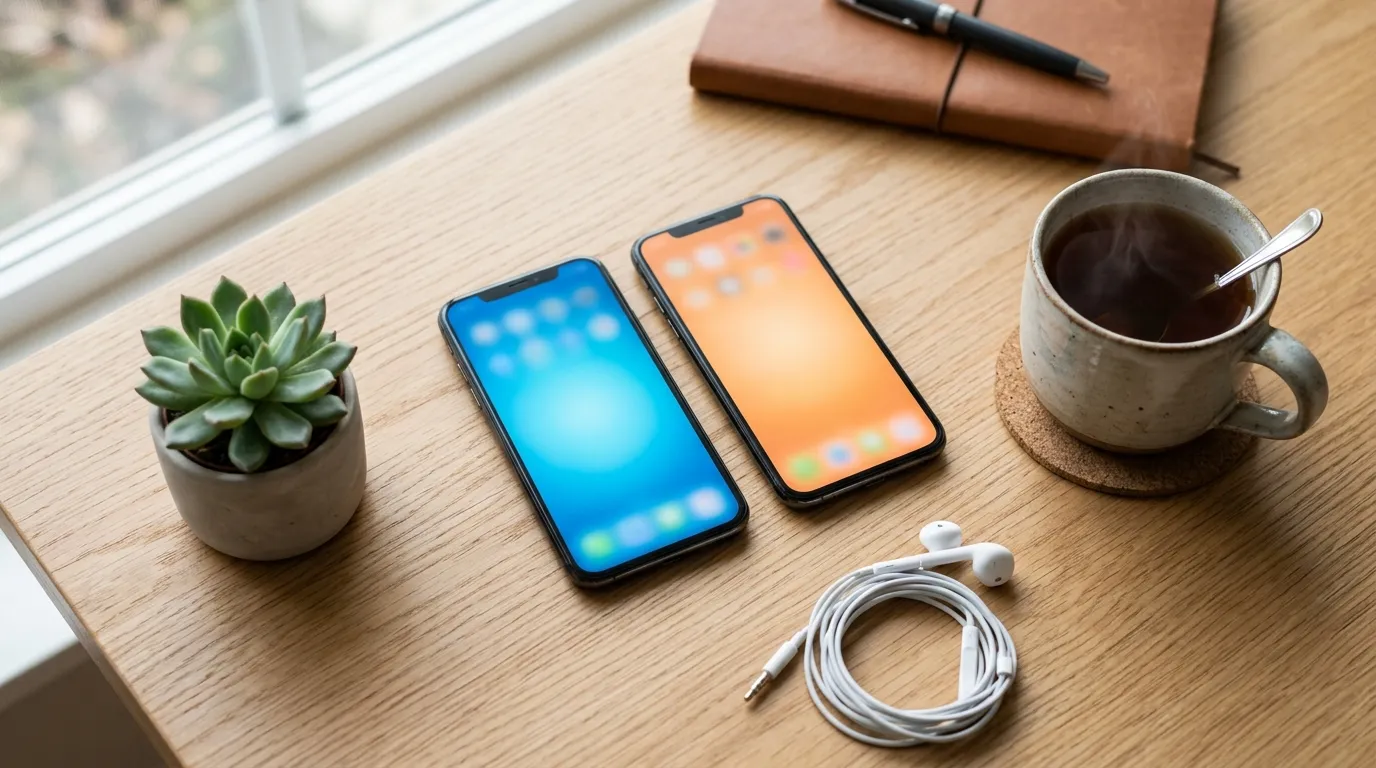
Attention is not just about what you do; it is about what is available to interrupt you. The single highest-leverage change is to physically remove your phone: not face-down on the desk, but in another room. Studies consistently show that the mere presence of a phone within reach drains attention, even switched off. Beyond that, add friction to the apps and sites that pull you away, log out, delete them from your home screen, or use a blocker during focus blocks, so that reaching for a distraction takes a deliberate extra step. Our guide on why you cannot concentrate goes deeper into the environmental traps.
Fix the boring foundations: sleep and movement
No focus technique survives contact with a tired brain. Most adults need seven to nine hours of sleep for full cognitive performance, and if you are running on six or fewer, improving your sleep will likely do more for your attention than any app or trick. It is unglamorous, but it is the highest-return change available to most people. Regular physical activity helps too: exercise improves the brain’s capacity for sustained attention, and even a brisk walk before demanding work can sharpen focus for the hour that follows. If your focus reliably collapses at certain times, our piece on why you lose focus after lunch covers the daily rhythm behind it.
Calm the mind with a simple daily practice
A short, consistent mindfulness practice is one of the few things shown to help attention generally rather than on one narrow task. Ten minutes a day is enough to start: sit comfortably, bring your attention to the sensation of your breath, and each time your mind wanders, gently guide it back. That act of returning is the same skill you use to stay on a task, which is why it transfers. The University of Rochester Medical Center’s guide to increasing attention span lists breath-focused practice among its core recommendations.
Be realistic about “brain training”
One honest caveat: practising a single narrow attention task, including many “brain training” games, tends to make you better at that exact task without improving your attention in general. The transferable gains come from the broader changes above, timed focus on real work, removing distraction, sleeping properly, moving, and mindfulness, rather than from a game that promises to rewire your focus. Spend your effort where it actually carries over. To make the new focus stick, our guide to building a deep work habit turns these one-off wins into a routine.
Frequently asked questions
How long does it take to increase your attention span? There is no fixed timeline, but because attention is trainable, most people notice progress within a few weeks of practising timed focus blocks and removing distractions. Extending your focused block by about five minutes a week is a realistic pace, provided sleep and environment support it.
Is the eight-second attention span real? No. The claim that humans have an eight-second attention span, shorter than a goldfish, comes from an unreliable source and is not supported by science. Our sustained attention on screens has genuinely shortened, but that is a trained habit of task-switching, not a permanent limit.
What is the fastest way to improve focus? For most people, the single biggest quick win is removing your phone from the room and fixing your sleep. The presence of a phone drains attention even when unused, and poor sleep undermines every other technique. Both are faster to change than they sound.
Does meditation actually help attention? Yes. A short daily breath-focused practice is one of the few interventions shown to improve attention broadly rather than on one specific task, because repeatedly returning your wandering mind to the breath trains the same skill you use to stay on work. Ten minutes a day is a sensible start.
Do brain-training apps increase attention span? Mostly no. Practising a single narrow task, including many brain-training games, improves that task but rarely transfers to general attention. The changes that do help are real-work focus blocks, cutting distraction, sleep, exercise and mindfulness.
That is enough for now. Close the tab, and let it settle.
Get the Quiet Letter